
About this Website


This Website is written to introduce people to the wonderful world of Astronomy. It was especially written for those individuals who are fascinated with the night sky and wish to learn and/or photograph those pinpoints of light that are seen. This Website will give a brief summary of the current theories of the evolution of stars and how through this evolution some of the most beautiful objects are created that can be observed with either binoculars or telescopes. In addition, we will learn about constellations, how to find them and a little about their mythology. Also telescopes and astrophotography will be covered to provide a novice with a good knowledge to allow them to be able to purchase the right one for their viewing needs.

When I was first learning about the night sky I found myself very frustrated that I couldn’t find any objects to observe other than stars, the moon and the bright planets. I finally realized that I must learn the constellations and their major stars to be able to find myself around the night sky and find some of the dimmer objects. I read many books about constellations hoping they would provide the missing knowledge. Most of the books written talked about each constellation by themselves. I soon realized that I would probably have to memorize all 88 constellations and their position relative to each. However, I kept thinking that there must be a better way to remember the constellations. I thought that the constellations were named for some reason and wondered how they came to be and wondered why they were placed where they were. Knowing mythology had something to do with it, I learned Greek mythology. Within a very short time I started to see a pattern of the constellations and mythology. I was able to weave three mythology stories to a majority of the northern hemisphere constellations (about 35). I have devised what I feel is a quicker method of learning the constellations. By learning the mythology of three Greek mythology characters we will learn how to find a large majority of constellations. It also makes the night sky a little more interesting by knowing a little about the backstage makings of the night sky.

After learning the constellations, we will find the night sky very familiar, and finding night sky objects so much easier. But where do these objects come from, are they somehow related? Of course, they are related and so you now know how I chose to include stellar evolution as the second corner of the trilogy. Of course, after I knew how to find night sky objects and know where they come from, I need to know what instruments I may use to improve my studying of these objects. So finally, I talk about telescopes and which telescope is best for viewing or photographing the night time sky objects. I hope you find this website enjoyable and will help you the reader understand a little more about Astronomy and the objects that we can see in our universe.

David Pearson

Additional Information


In dedication to my grandmother, Louise Pearson, who started my adventure into the nighttime sky and constellations.

About the author

1. Created and hosted a three- and four-day astronomy adventure through a community college with one to two classroom sessions and two nights in desert with large telescope.
2. Created a summer 6-day workshop called, “Kids on Mars” hosted through Team-Science. Kids learned about Mars, and made and launched rockets, and made spacecraft, rovers and Mars colony.
3. Created a summer 6-day workshop called, “Space Trek” hosted through Team-Science. 50% of the time the high school students learned the math and science of getting into space and 50% of the time practicing a space shuttle launch, orbit and landing in a full-size shuttle flight deck simulator.
4. Create a Mars Mission game to allow students to understand the science and math necessary to build vehicles to get to Mars, gather samples and return.
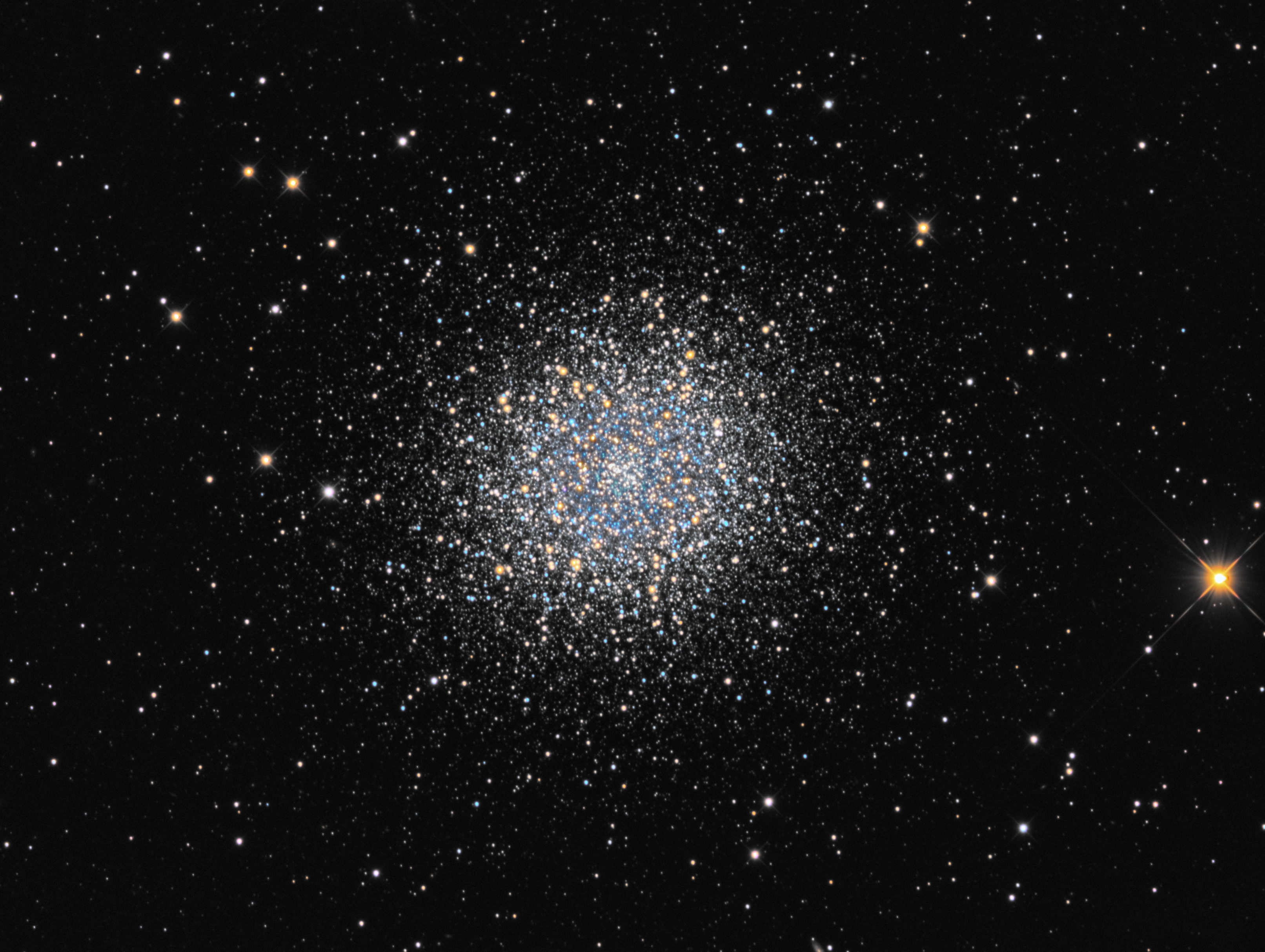
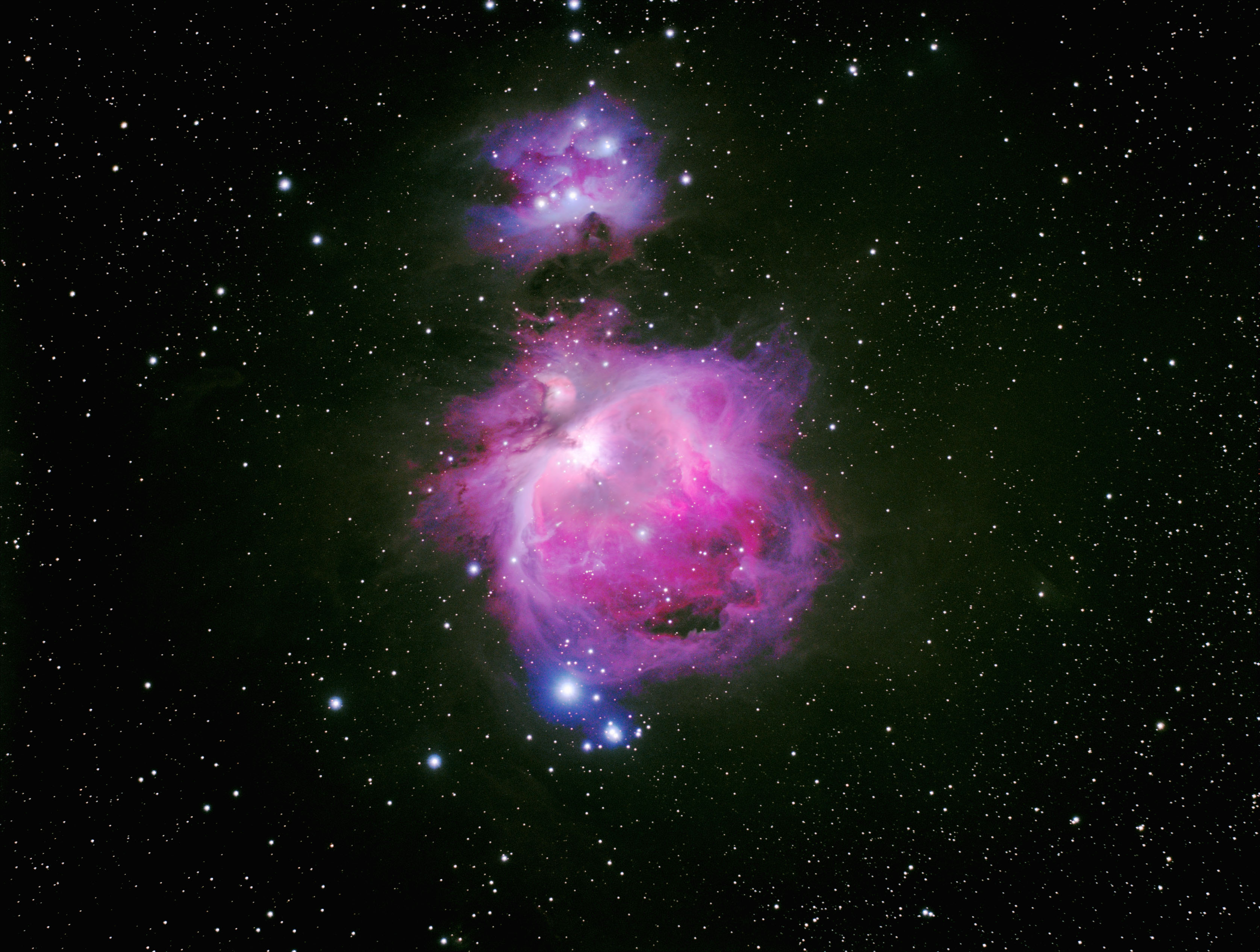
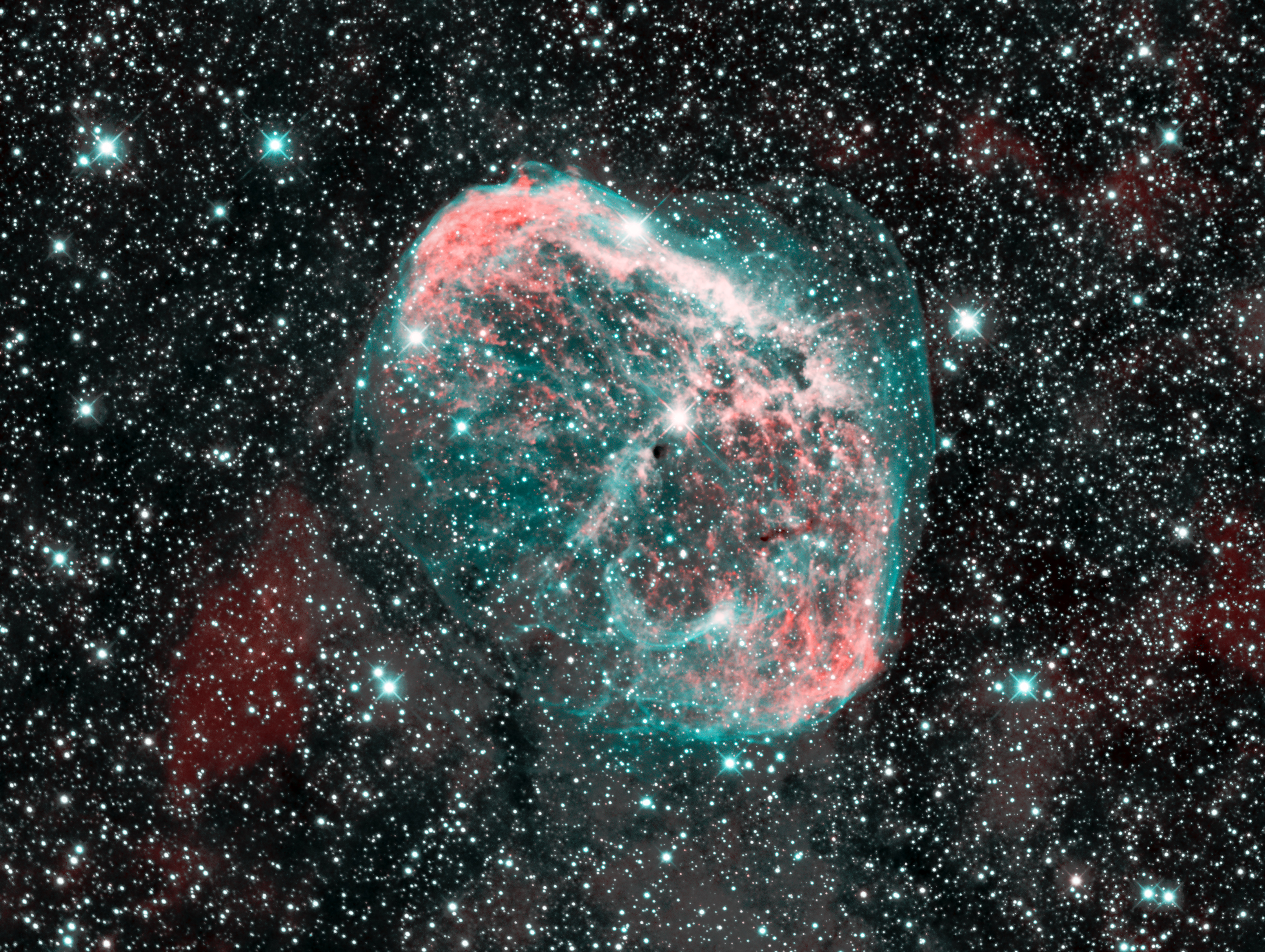
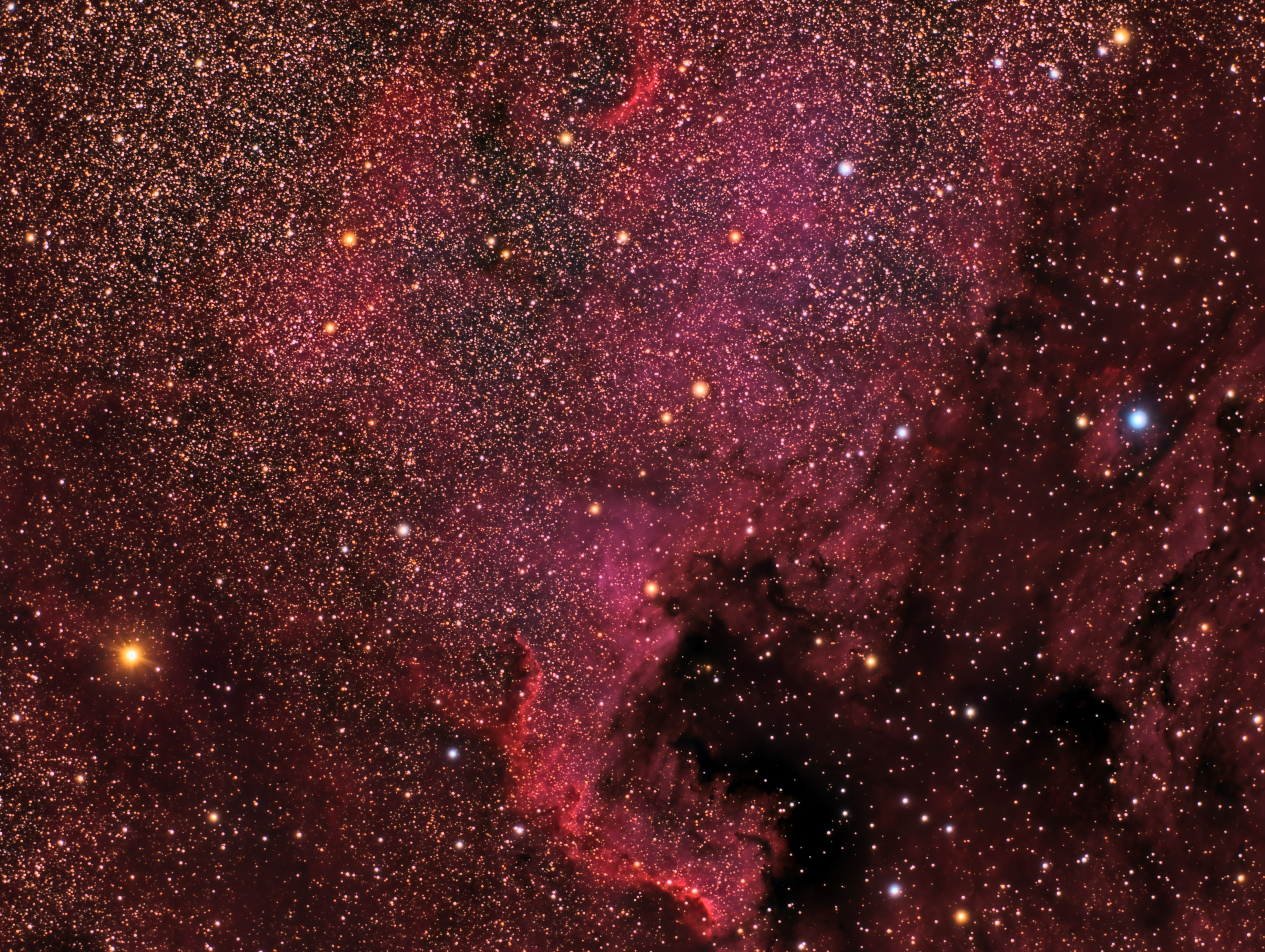
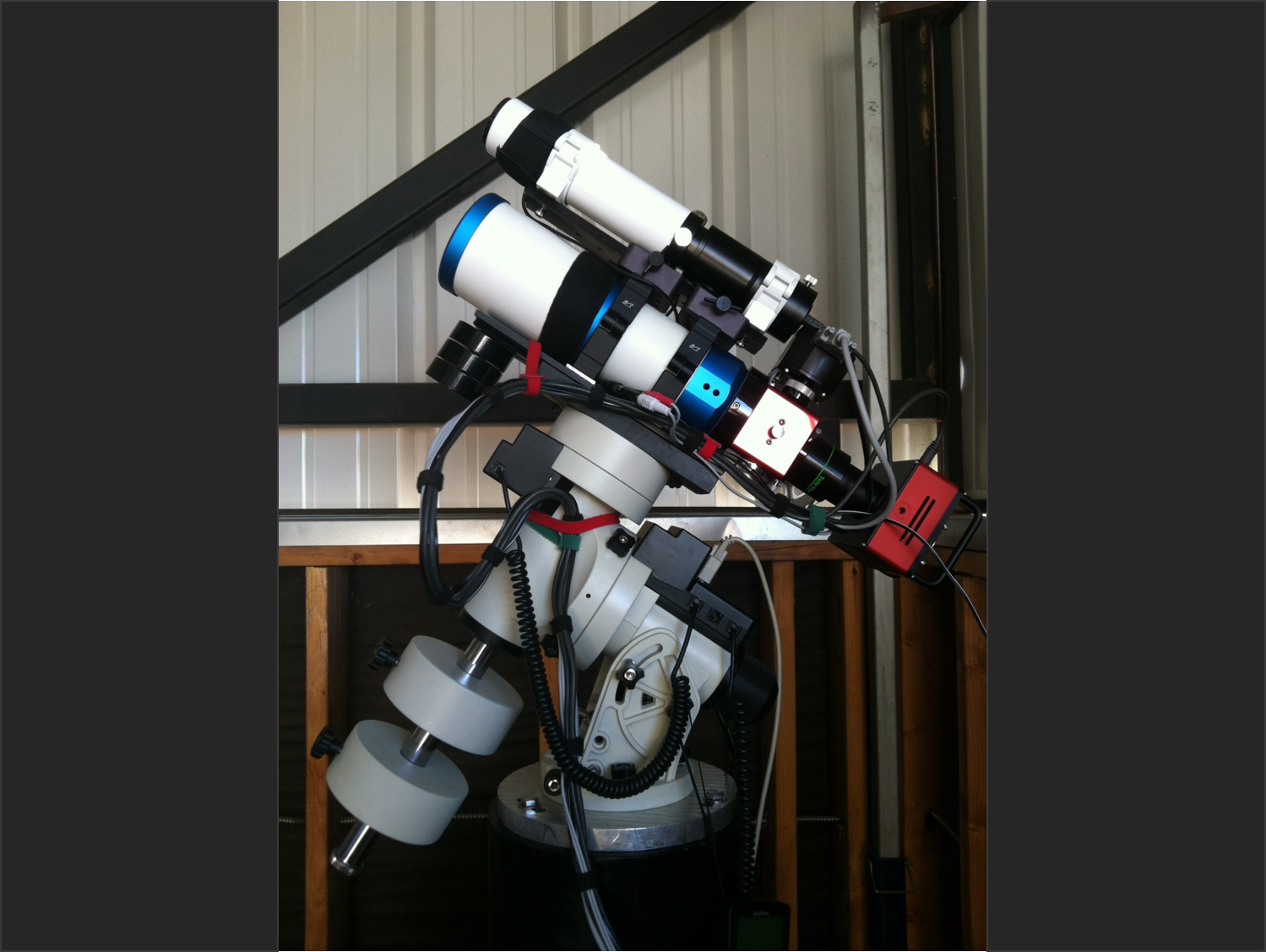
5. Avid high end astrophotographer taking long timed exposures (hours) of the beautiful night time objects

An Astronomy Trilogy: Stellar Evolution, Learning the Constellations and Telescopes

Stellar Evolution

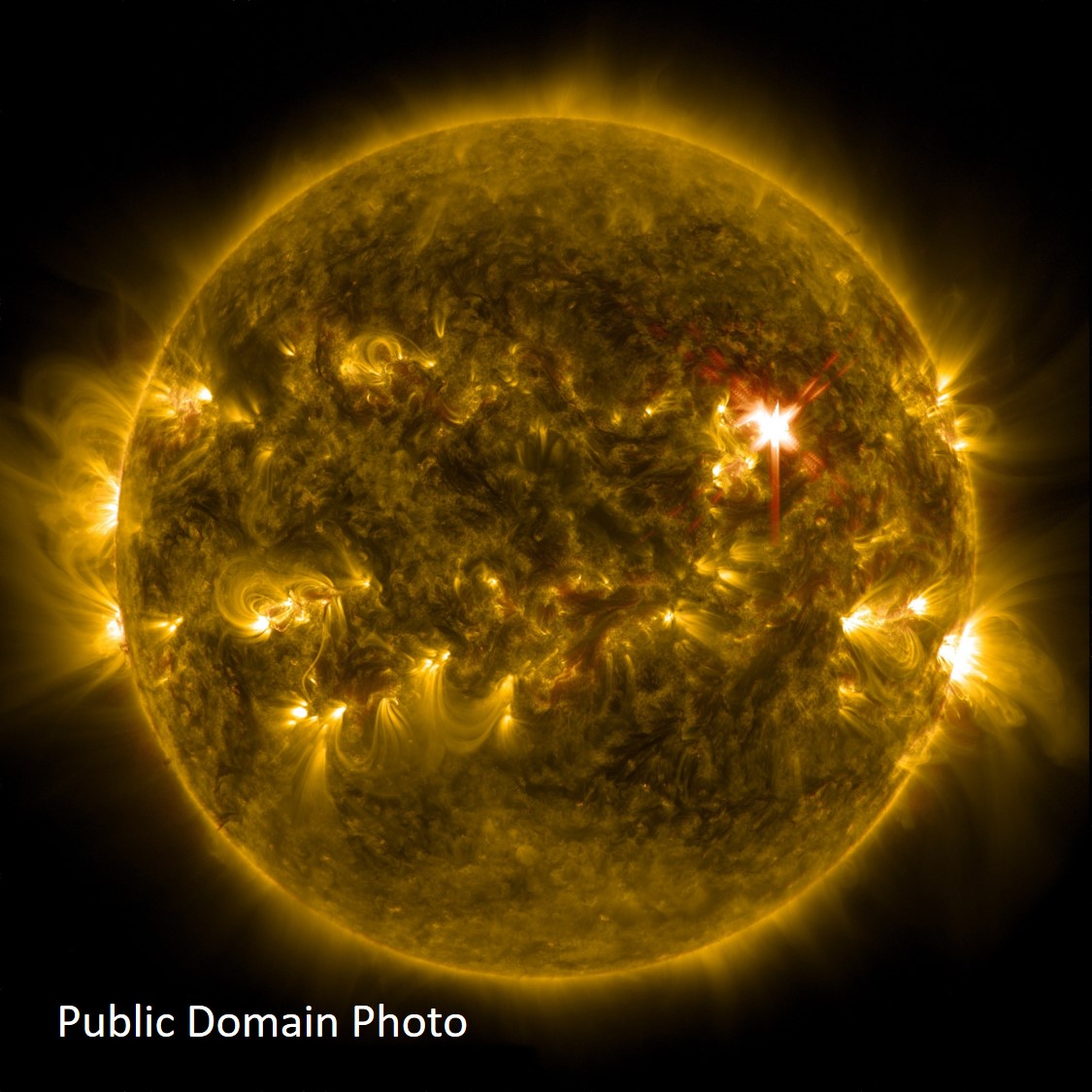
The evolution of stars produce the most spectacular objects to be view with your eyes, binoculars or a telescope. Read further to learn how these beautiful objects are formed.
Learning the Constellations

Learning the constellation is a fun, and an informative process for all. Once learned you will be able to find your way across the night sky for any night of the year or time.
Beginning Telescope

Learn the basic of telescopes before buying to ensure the telescope you purchase is suitable to you and won't end up in the garage gathering dust.
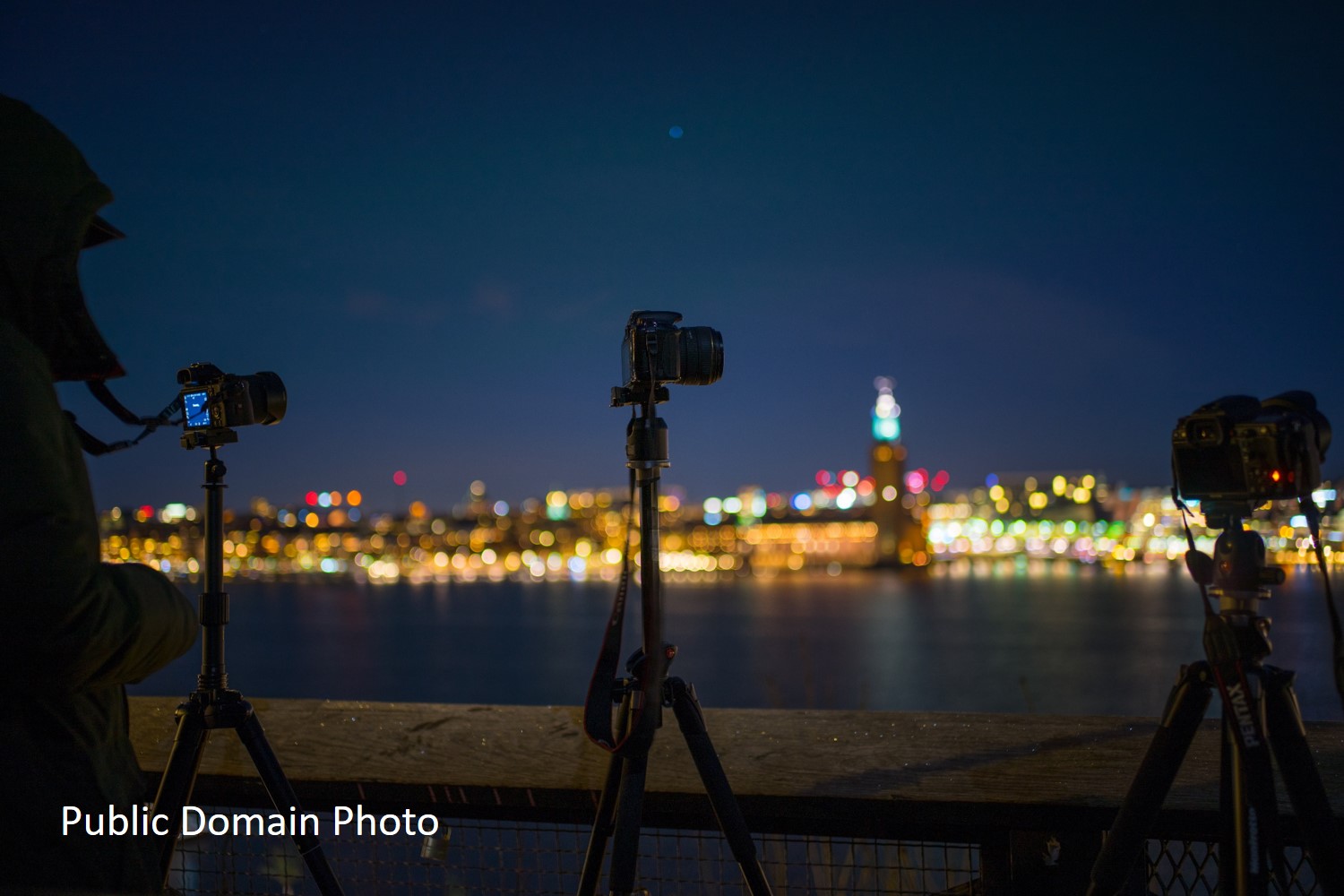
Astrophotography

Astrophotography Equipment

Astrophotography images can be obtained with a varying set of equipment; phones, DSLR, video cameras and high end CCD or CMOS cameras. This section will look at what is needed to obtain images with this equipment.
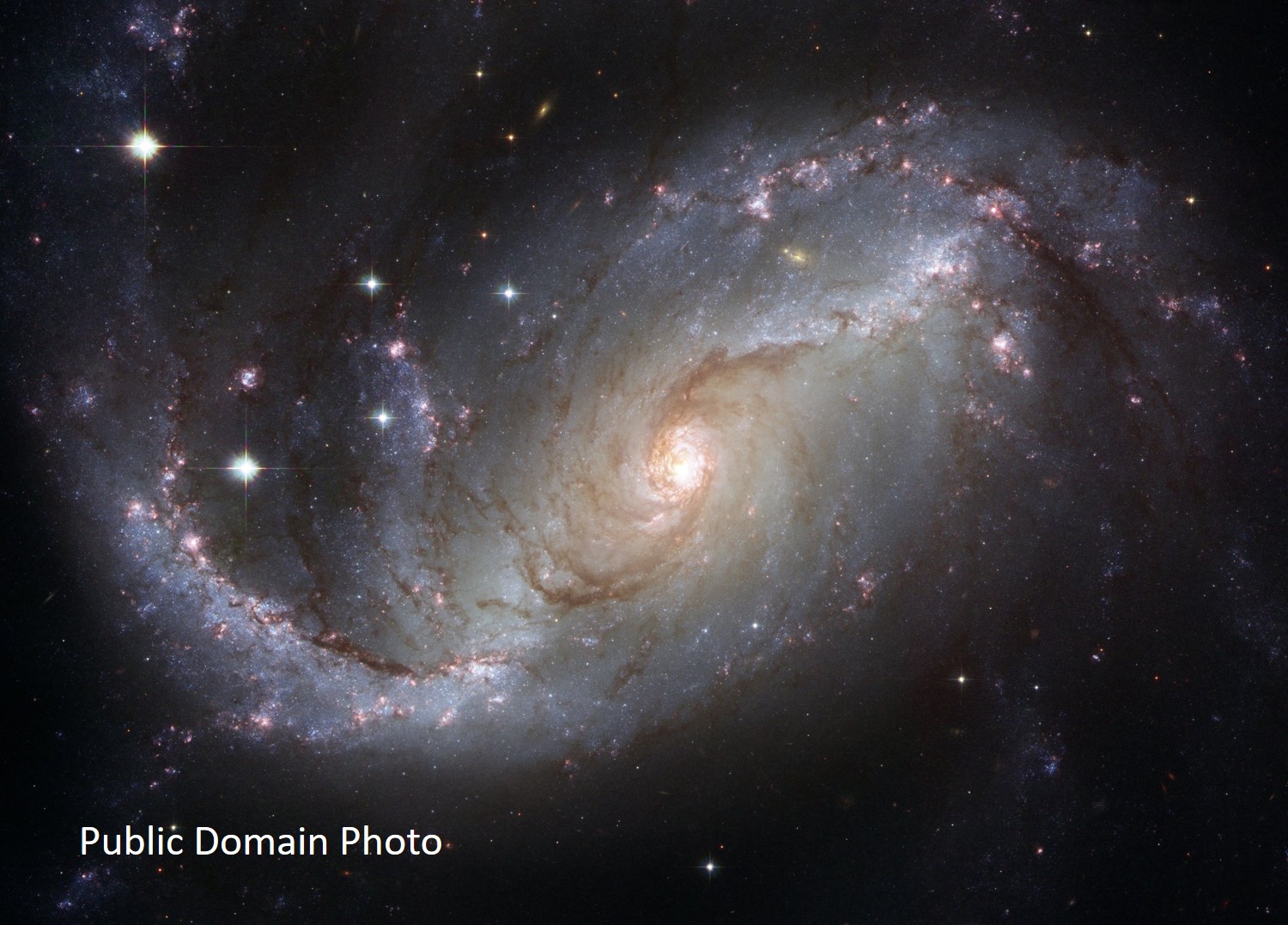
Anatomy of Image Capture

What does it take to produce a good image? This section will define astrophotography terms and provide information about how images are captured using camera equipment.
Picture Gallery

Gallery of pictures taking by the author; Planets, Star Clusters, Galaxies and Nebula.